QR Codes for Museums and Galleries
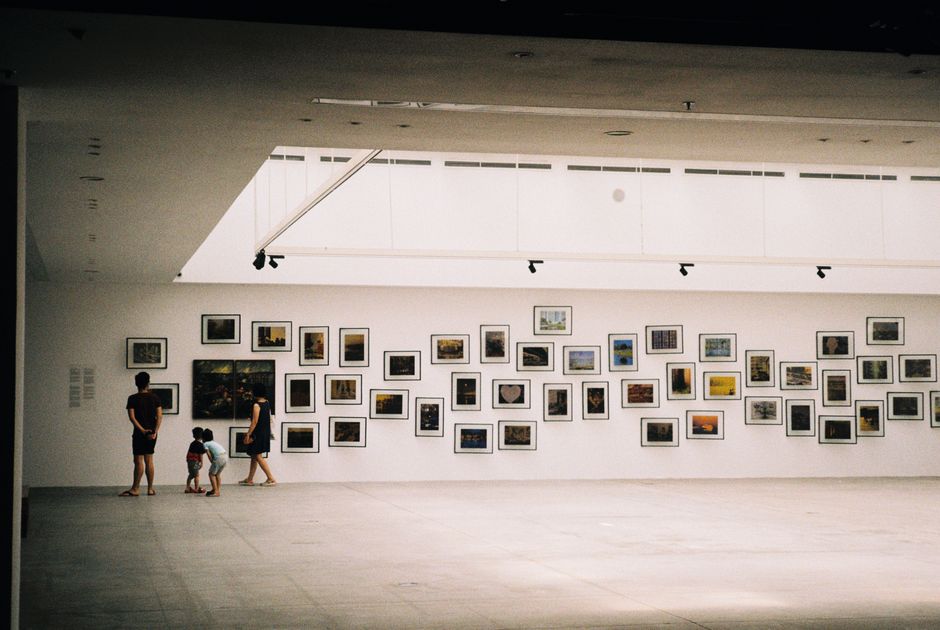
A small wall label can only say so much. Visitors stand in front of a remarkable piece, read three lines of text, and walk away with most of the story untold. A museum QR code closes that gap. One quick scan opens an audio guide, an artist interview, the conservation backstory, or a translation in the visitor's own language, all from a code printed beside the work. The promise is simple: deeper engagement without crowding the gallery wall, and without reprinting a single label when the exhibit changes.
What a museum QR code actually does
A museum QR code is a printed code placed near an exhibit, on a plaque, in a brochure, or on signage, that links to extended content when scanned with a phone camera. Instead of cramming a paragraph onto a label, you point visitors to a richer destination: a curator's notes page, a 90-second audio clip, a video of the artist at work, a 3D model, or a multilingual guide. Museums, galleries, science centers, historic sites, and traveling exhibitions all use them to extend a physical visit into a digital one, free of bulky rented headsets and dedicated apps that visitors rarely download.
Why Qribly is the right tool for this
The biggest risk with printed codes is that they become permanent mistakes. Print a static code, change the linked page, and the code is dead. Qribly uses dynamic QR codes, so the printed code stays fixed while the destination is fully editable after printing. Swap an exhibition's landing page, update a broken audio link, or repoint a code for a new show without reprinting anything. If you want the full breakdown, see our guide on dynamic vs static QR codes.
You also get real-time scan analytics. See exactly which works draw the most engagement, when scans peak during the day, and which exhibits underperform, so curators can make decisions backed by real visitor behavior rather than guesswork. Every code can carry your logo and brand colors, so it reads as part of the gallery design instead of a generic black square. And Qribly is free for everyone, which matters for nonprofit institutions and small galleries working within tight budgets.
How to set it up
- Go to the Qribly file upload page at https://qribly.com/file-upload-qribly and choose your content type, whether that is a web link, an audio file, a PDF guide, or a document.
- Upload the destination, such as an audio tour clip, an artist bio page, or a multilingual exhibition PDF.
- Customize the code with your museum logo and brand colors so it matches your gallery's visual identity.
- Download the code in high resolution and place it on your label, plaque, or signage.
- After your visit data starts flowing, open the dashboard to track scans and edit the destination anytime without reprinting.
Where to place them
- Beside individual artworks, linking to the artist's story, technique, and provenance.
- On gallery entrance signage, opening a self-guided audio tour for the whole exhibition.
- Inside printed brochures and maps, pointing to floor-by-floor digital guides.
- Next to interactive or fragile exhibits, linking to videos that show details visitors cannot touch.
- On membership and donation plaques, leading straight to a sign-up or giving page.
- In gift shops, connecting catalog items to online purchase pages.
- On traveling exhibition crates and pop-up displays, repointed per venue without new prints.
Frequently Asked Questions
Do visitors need to download an app to scan the code? No. Modern iPhone and Android cameras read QR codes natively. Visitors point, tap the link, and the content opens in their browser, with no app, headset, or login required.
Can I change what a code links to after the labels are printed? Yes, and this is the core advantage of a Qribly dynamic code. The printed code never changes, but you can update its destination as often as you like, which is ideal for rotating exhibitions and seasonal shows.
Can I offer the content in more than one language? Absolutely. Link the code to a landing page with language options, or run separate codes per language. Because the destination is editable, you can add translations over time without touching the printed labels.
Bring your exhibits to life
Your collection deserves more than three lines on a card. With a free, editable, trackable museum QR code, every label becomes a doorway to audio, video, and story, and every scan tells you what your visitors care about most. Create your first code now at https://qribly.com/file-upload-qribly and turn a quiet gallery wall into a conversation.